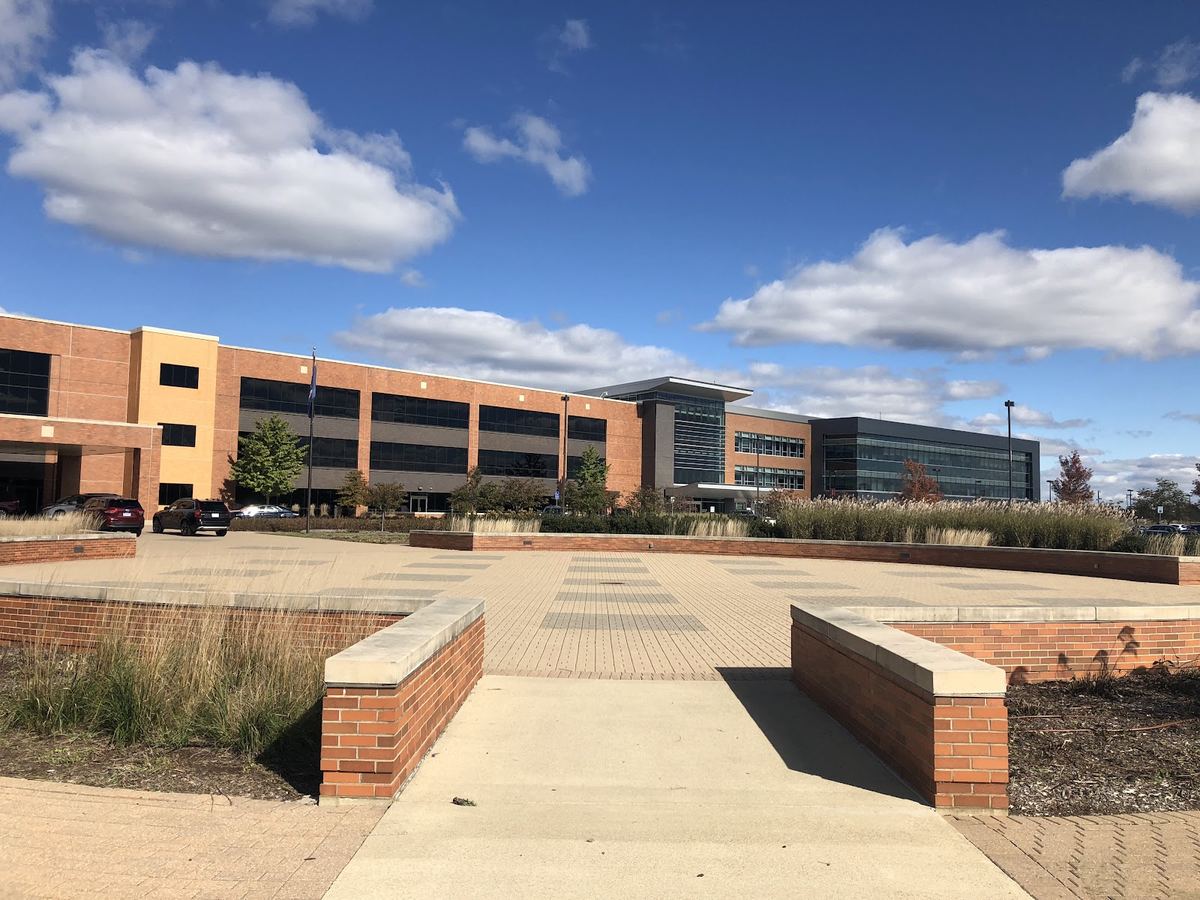
In-depth profile of Toyota Motor North America R&Din Ann Arbor's tech ecosystem
Toyota's Ann Arbor R&D campus on Woodridge Avenue is the single largest tech footprint in Washtenaw County, and it is the reason a generation of mobility talent has stayed in Michigan rather than boarding a plane for California. The site runs deep on powertrain, safety systems, autonomous driving, connected vehicle platforms, and next-generation battery chemistry. Every meaningful product shipped under the Toyota or Lexus badge for the North American market has engineering DNA that passed through this building.
The Ann Arbor R&D team works in a tight loop with Toyota Research Institute in California and with Toyota's global engineering network in Japan. Programs span hardware-in-the-loop simulation, ADAS calibration, vehicle dynamics, electric vehicle architectures, and the software stack that increasingly defines what a modern Toyota feels like from the driver's seat. Toyota Connected also keeps a substantial presence here, building the telematics and data platforms that feed fleet intelligence.
Ann Arbor was not a random pick. Toyota wanted proximity to the University of Michigan's College of Engineering, Mcity's real-world connected-vehicle testbed, and the dense web of OEMs and Tier-1 suppliers that make Southeast Michigan the densest automotive corridor on the planet. Over three decades, the site has grown from a modest technical center into a flagship R&D hub employing engineers who would otherwise be scattered across Palo Alto, Detroit, and Nagoya.
For anyone relocating, Toyota's campus sits on the north edge of town, which opens up neighborhoods like Barton Hills, Dixboro, and the Traver Creek corridor for a ten-minute commute. Downtown Ann Arbor is fifteen minutes by bike. Detroit Metro Airport is twenty-five minutes by car. The engineering salary bands here buy three times the house they would in the Bay Area, and the public schools surrounding the campus are consistently ranked among the best in the state.


